How property tax relief sustains affordable rental housing across the Carolinas
Most conversations about affordable housing focus on what people can see: the new building going up downtown, the waiting list at the leasing office, the rent figure printed at the top of a lease. Far fewer focus on the line items that decide whether that rent figure is even possible, and one of the most important of those rarely enters public debate at all. It is the property tax bill, and the quiet choice a state makes about whether to charge it.
A need that is anything but abstract
Nationally, renters with the lowest incomes face a shortage of 7.2 million homes that are both affordable and available to them, with only 35 such homes for every 100 households that need one. North Carolina tracks the national picture closely. The state has roughly 350,000 extremely low-income renter households and only 38 affordable and available homes for every 100 of them, a shortfall of more than 215,000 units that has widened, not narrowed, over the past year. Nearly nine in ten of those households spend more than 30 percent of their income on housing, and more than three-quarters spend more than half. When rent consumes that much of a paycheck, families are often left choosing between housing and medicine, or between housing and food. South Carolina faces the same structural shortage.
The cost hidden inside the rent
To see why tax relief matters, it helps to look at how rent is actually set in an affordable rental property. The rent a family pays has to cover the cost of operating the building: maintenance, insurance, utilities, staff, debt service, and taxes. In market-rate housing, an owner can raise rents to absorb those costs. In affordable housing, the rent is capped at levels tied to area median income, so the owner cannot. Every operating cost therefore has to fit beneath a ceiling that does not move. Property tax is one of the largest of those costs, and in many cases it is the single line item that decides whether a property can serve low-income tenants at all, or whether the numbers simply do not work.
A form of public investment that never writes a check
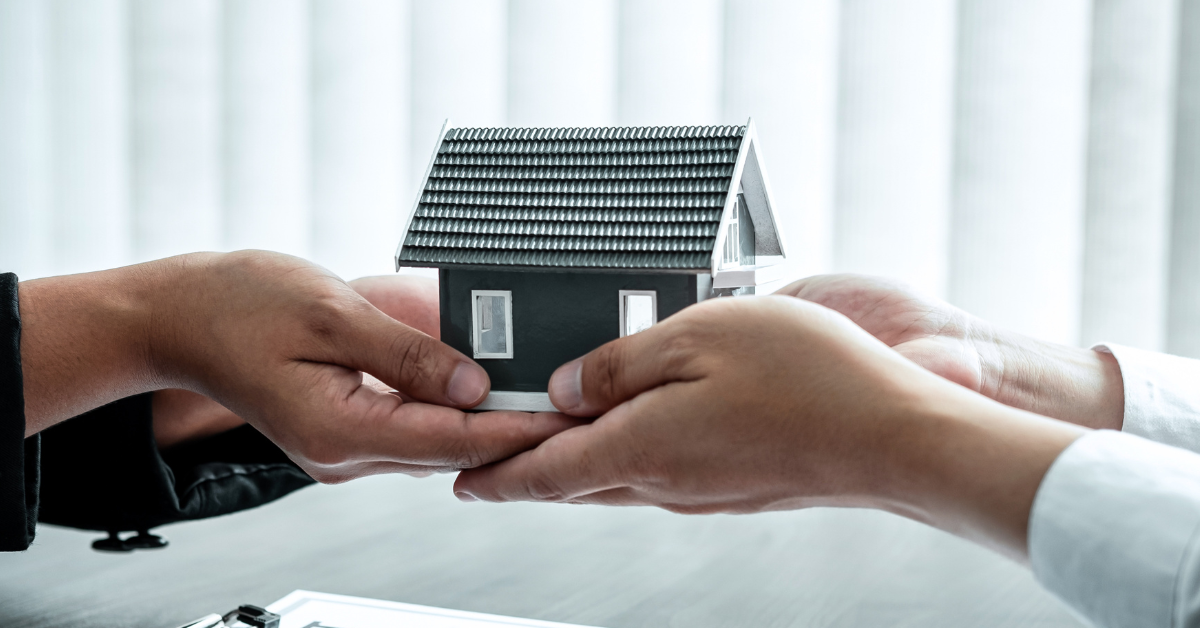
This is where property tax abatement does its quiet work. An abatement, or exemption, is a decision by the state to forgo the property tax it would otherwise collect on housing that serves low-income residents. It is a form of public investment, but an unusual one. It requires no annual appropriation, it passes through no grant program, and it never appears as a check. It simply lowers a cost so that affordability becomes financially possible. In exchange, the owner accepts enforceable limits on who may live there and what they may be charged. The public gives up revenue; the resident gains a home within reach. That trade, repeated across thousands of units, is among the most efficient tools the Carolinas have for keeping housing affordable.
How the Carolinas built the trade into law
Both states have written this exchange into their property tax statutes. North Carolina exempts qualifying low- and moderate-income housing held by nonprofit organizations under its charitable property tax statute. South Carolina does the same under a provision of its property tax law that exempts property of nonprofit housing corporations devoted to housing for low or very low income residents, conditioned on compliance with federal affordability safe harbors. The mechanics differ, but the logic is identical. Relief is not a giveaway. It is granted in return for a promise, and the promise is affordability.
A promise is only as good as the system behind it
An exemption granted today means little in five years if no one confirms that the units are still occupied by income-qualified families, still rented at the agreed levels, still serving the purpose that justified the relief in the first place. This is the part of the work the public almost never sees, and it is the part that gives the mechanism its integrity. Income has to be documented when a tenant moves in and reviewed as circumstances change. Rent rolls have to be kept. Certifications have to be filed, year after year, so the state can trust that the housing it chose not to tax is doing what it was meant to do.
That is the work Southeast Affordable Housing Administration exists to do. SAHA administers these programs across North Carolina and South Carolina, helping property owners qualify for the relief the law allows and, just as importantly, helping them stay in compliance once they have it. The aim is not simply to secure an exemption. It is to make sure the affordability commitment behind the exemption stays real, so that the public's investment keeps reaching the families it was meant to serve.
Quiet, but load-bearing
None of this is visible from the sidewalk. A family that can afford its apartment does not see the tax line that was forgiven to make it possible, and a state that keeps its housing within reach does not always notice the modest mechanism doing the work. That invisibility is part of why these programs are easy to overlook, and easy to put at risk. Both Carolinas are now reconsidering how their affordable housing exemptions should function, which makes careful, credible administration more important than ever. An abatement is only worth granting if it can be trusted, and it can only be trusted if someone is accountable for the promise underneath it. That accountability, quiet as it is, is what keeps a home affordable.
Southeast Affordable Housing Administration is a South Carolina nonprofit corporation that administers affordable housing property tax abatement programs in North Carolina and South Carolina. This article is provided for general educational purposes and does not constitute legal or tax advice. Eligibility for any property tax exemption depends on the specific facts of a property and on current state law, which is subject to change. Learn more at sahahousing.org.